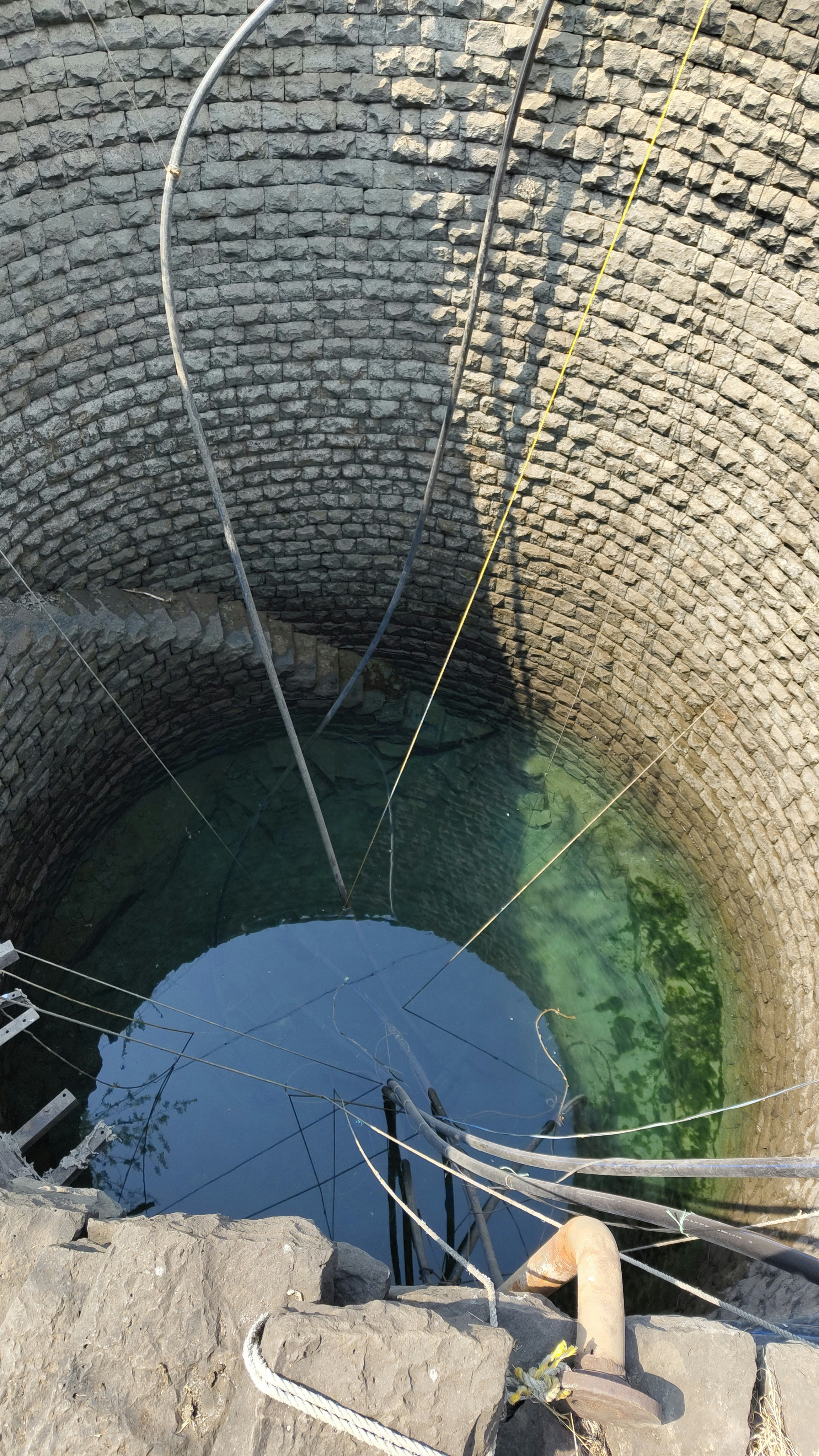
Understanding Tubewells: An Overview
Department: WASA RWP
A tubewell is a vital structure used for extracting groundwater, serving various essential purposes such as water supply and irrigation. These systems are engineered to provide an efficient means of accessing subterranean water sources, which is critical for agricultural practices, drinking water, and industrial applications. At their core, tubewells consist of a long casing, typically made from materials such as PVC or steel, which is installed vertically into the ground to reach aquifers.
The construction of a tubewell involves specific technology and engineering principles to ensure its effectiveness and longevity. Typically, the borehole is drilled using specialized machinery capable of penetrating various soil types while maintaining structural integrity. Factors such as soil composition, depth of the water table, and intended use are considered during the installation process to determine the most suitable design and materials involved.
In terms of their significance, tubewells play a crucial role in both rural and urban settings. In rural areas, they serve as primary sources for irrigation, supporting agricultural productivity in regions with scarce surface water. Furthermore, they provide potable water, improving the living standards of local communities. In urban contexts, tubewells contribute to municipal water supply systems and are essential for industries that demand consistent water access.
There are different types of tubewells, including hand-dug wells, which are excavated manually and suited for shallow groundwater access, and drilled wells, which reach deeper aquifers through mechanized drilling. Understanding the distinctions between these types can help in selecting the appropriate tubewell system based on site conditions and water needs. Overall, tubewells are a cornerstone of efficient groundwater management and play an irreplaceable role in securing water resources for myriad applications.
Planning and Site Assessment for Tubewell Installation
Effective planning and thorough site assessment are crucial steps in achieving successful tubewell construction and installation. The first stage involves conducting a geological survey to understand the subsurface conditions. This survey helps determine rock and soil types, hydrological properties, and any potential challenges that may arise during drilling. A comprehensive geological evaluation ensures that the selected location can support a reliable water source, which is vital for the long-term efficacy of the tubewell.
Another essential element is water table analysis. Professionals usually measure the seasonal fluctuations of the water table to ascertain the most suitable drilling depth for optimal water extraction. This assessment provides insights on the availability, quality, and sustainability of groundwater, contributing significantly to the decision-making process for tubewell installation.
Environmental impact assessments should also be part of the site evaluation process. Understanding the potential effects of tubewell development on local ecosystems is imperative. This assessment informs necessary mitigation measures to minimize any adverse impacts on flora, fauna, and habitat. Considering the environmental implications ensures that tubewell construction adheres to regulatory and community standards.
Selecting the appropriate location for the tubewell, based on the insights from these assessments, is equally important. Accessibility can influence the feasibility of both construction and ongoing maintenance. Furthermore, the type of soil can determine drilling techniques and equipment needed. Additionally, proximity to any potential contamination sources, such as agricultural runoff or industrial sites, must be carefully evaluated to safeguard water quality post-installation.
Through meticulous planning and site assessment, one can ensure that tubewell construction meets both practical and environmental criteria, laying a solid foundation for effective water resource management.
Construction Process of a Tubewell: From Start to Finish
The construction process of a tubewell begins with careful site preparation, which includes surveying the location to determine soil and water table conditions. It is crucial to select an appropriate site that guarantees optimal water yield and accessibility. Once the site has been cleared, the equipment is mobilized, including drilling rigs, compressors, and pumps, essential for the various drilling methodologies employed in tubewell construction.
Rotary drilling is one of the most common techniques used in tubewell construction, allowing for effective penetration through different soil and rock layers. This method utilizes a rotating drill bit that grinds away the material, while a drilling fluid is circulated to cool the bit and carry cuttings to the surface. Alternatively, air-lift pumping is another method that can be employed, particularly in shallow aquifers where compressed air is used to lift water out of the well, thus facilitating the drilling process.
Once the appropriate depth is achieved, casing installation becomes essential. Casing provides structural integrity to the well and prevents contamination from surface water. Typically, steel or PVC pipes are used, and they must be securely anchored within the borehole. After casing installation, well development techniques are employed to enhance water flow. This may involve pumping and surging to remove debris and sediments, thereby ensuring that the well is efficient and functional.
Throughout the tubewell construction process, the management of groundwater should also be considered to avoid depletion or contamination. It is essential to follow local regulations and best practices to ensure that the constructed tubewell supports sustainable water use. Following these outlined steps will lead to a successful tubewell construction process that meets the necessary operational requirements.
Once the tubewell is constructed and installed, ongoing care is crucial to ensure its efficiency and longevity. One of the primary post-construction considerations is regular water quality testing. It is critical to monitor the water for contaminants such as bacteria, nitrates, and heavy metals. These tests should be conducted periodically to assess the potability of the water and to identify any potential threats to the health of consumers. A reliable water quality testing schedule not only ensures safe drinking water but also aids in the early detection of any water quality deteriorations caused by environmental factors or surrounding activities.
Routine inspections form another essential aspect of tubewell maintenance. These inspections should focus on the physical condition of the well casing, the pump, and the surrounding area. Regular checks can help to identify signs of wear and tear, potential leaks, or blockages that need addressing. Additionally, examining the discharge rates and ensuring that the tubewell is functioning at its designed capacity can prevent future complications and ensure a steady supply of water.
Repair practices must be put in place to promptly address any issues discovered during inspections. Understanding the specific maintenance needs of your tubewell can extend its operational lifespan significantly. In parallel, preventative measures should be embraced to maintain the well’s effectiveness. This includes safeguarding the surrounding ground from potential contaminants and establishing a protective zone around the site.
Furthermore, determining the appropriate pumping rate is paramount. Understanding the sustainable pumping rate based on water source replenishment can help prevent over-extraction, which may lead to depletion of water resources. Monitoring water levels regularly can aid in making informed decisions about water usage, ensuring a consistent supply while promoting sustainability.